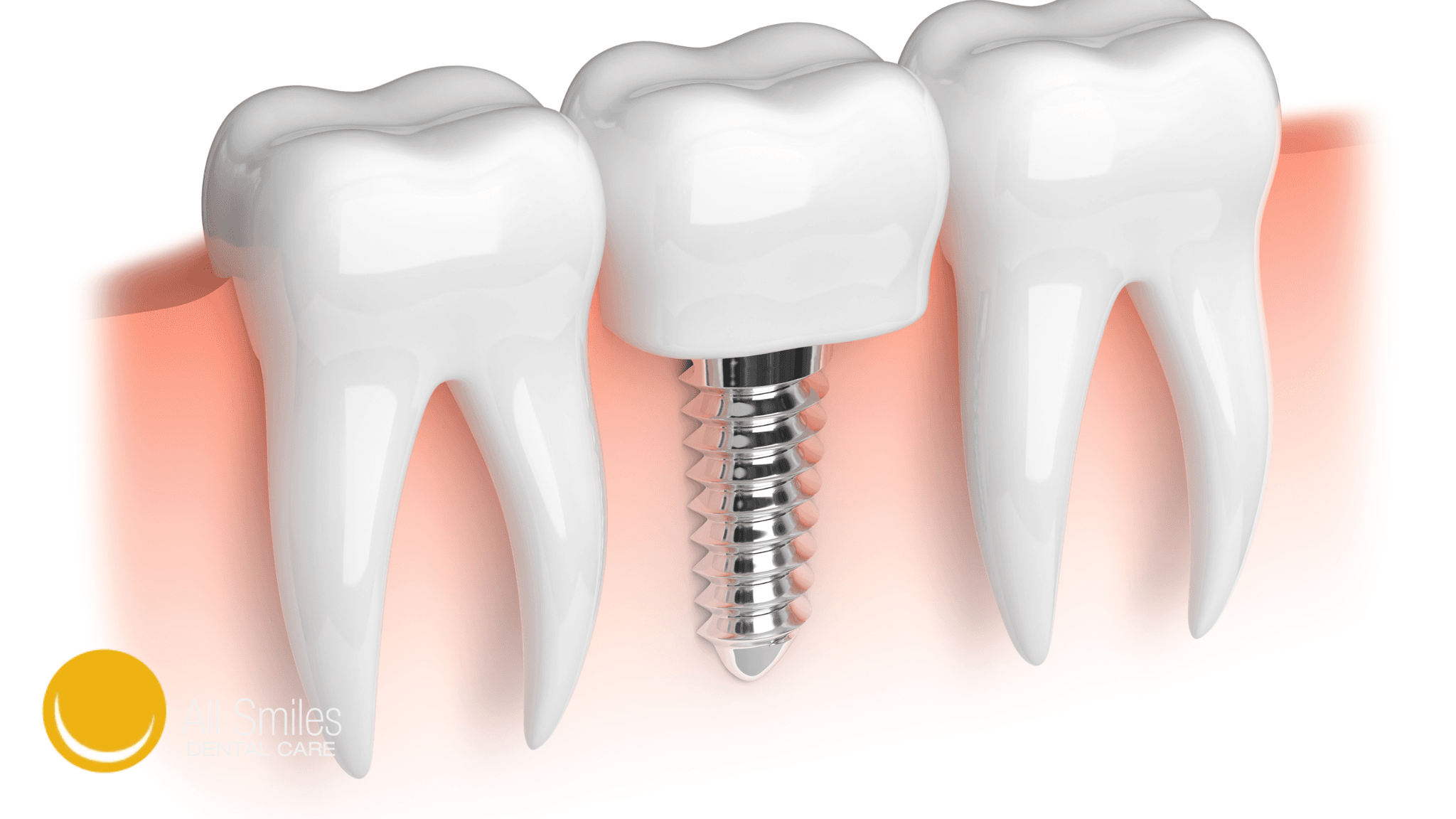
Most people are unaware that adequate bone density is important for the success of your dental implants. When you consider getting implants, it’s vital to understand how your jawbone’s strength and quality can impact the procedure.
Insufficient bone density may lead to complications and implant failure, making it important to assess your bone health before moving forward. In this post, we will explore how bone density influences dental implant outcomes and what options you have to enhance your bone quality for a lasting smile.
Key Takeaways:
- Bone density is a significant factor in determining the success rate of dental implants, as it provides the necessary support and stability for the implant to integrate with the jawbone.
- Age, osteoporosis, and periodontal disease-related factors can all contribute to bone density loss. Before undergoing dental implant operations, it is crucial to assess bone health because tooth loss can result from periodontal disease but is not a direct cause of bone density loss.
- Bone grafting or other regenerative techniques may be required to enhance bone density in patients with insufficient bone mass to ensure successful implant placement.
Understanding Bone Density
Your understanding of bone density is fundamental in dental implants. Bone density refers to the amount of bone mineral content in a specific volume of bone.
The quality and quantity of bone in your jaw directly influence the stability and longevity of dental implants, making it requisite to evaluate before undergoing the procedure.
Definition and Importance
Below, you can find the significance of bone density in relation to dental implants. Sufficient bone density ensures that implants have a solid foundation for integration, which is important for overall functionality and aesthetics.
Without adequate bone support, the risk of implant failure increases, affecting both your oral health and confidence.
Factors Influencing Bone Density
Factors that influence your bone density include:
- Age
- Nutrition
- Hormonal Levels
- Physical Activity
After understanding these factors, you can take steps toward improving your bone health to support successful dental implants.
A deeper exploration of factors influencing bone density reveals that a healthy lifestyle can significantly increase your bone strength. Important aspects include:
- Calcium intake
- Vitamin D levels
- Exercise frequency
- Smoking cessation
After considering these factors, you will be better equipped to make decisions that enhance your bone density and overall dental implant success.
Relationship Between Bone Density and Dental Implants
Some dental implants require a stable foundation to succeed, and this foundation is largely provided by the bone density in your jaw. The quality and quantity of bone directly influence how well the implant integrates with your jawbone, impacting overall longevity and function.
Insufficient bone density may lead to implant failure or necessitate additional procedures, such as bone grafting, to ensure successful placement.
Impact of Bone Density on Implant Success
Impact your dental implant’s success rate by understanding that adequate bone density is vital for stability and integration. If your bone density is low, it could jeopardize the implant’s ability to remain secure, potentially leading to complications or even implant loss.
Therefore, achieving optimal bone density should be a priority for anyone considering dental implants.
Assessment of Bone Density Prior to Implantation
Although it is not yet a conventional procedure, the dentistry community frequently uses techniques such as dental cone beam computed tomography (CBCT) to examine bone density prior to implantation. Dentists assess your bone structure using a variety of imaging methods, including X-rays, to make sure it satisfies the requirements for a successful implant placement.
Density assessment is a pivotal step in your dental implant journey. Using advanced imaging techniques, your dentist can accurately evaluate your bone quality and quantity, which influences not only implant placement but also your preparation for the full implant procedure.
If insufficient bone density is detected, your dentist may recommend preparatory treatments, such as bone grafting, to enhance your bone structure before proceeding with the implant. This proactive approach can significantly improve the success rates of your dental implants, leading to more favorable long-term outcomes.
Strategies to Enhance Bone Density for Implant Candidates
There are a number of methods you can use to improve bone health prior to getting dental implants after your bone density has been assessed. Instead of mentioning physical therapy directly, strategies to improve bone health prior to dental implants may include tissue engineering techniques (like MSCs and PRP), pharmaceutical interventions (like vitamin D), and improvements in implant surfaces (like nanostructured titanium).
Collaborating with your dental professional can help determine the best approach for your individual needs, ensuring a more successful implant procedure and long-term results.
Pre-Implantation Treatments
Against common misconceptions, you might need to undergo pre-implantation treatments to improve your bone density. These could involve procedures such as bone grafting, which adds bone material to areas where density is insufficient, or the use of specialized medications designed to stimulate bone growth.
Discussing these options with your dentist can guide you on the best treatment path for a successful dental implant.
Nutritional and Lifestyle Considerations
At the same time, you should focus on nutritional and lifestyle choices that promote strong bones. Maintaining a balanced diet rich in calcium and vitamin D can significantly enhance your bone density.
Regular weight-bearing exercise and avoiding substances such as excessive alcohol and tobacco are also beneficial. The integration of these factors into your daily routine can have a lasting impact on your bone health.
And it’s vital to prioritize these nutritional and lifestyle considerations for optimal bone density. Incorporating foods high in calcium—like dairy products, leafy greens, and fortified foods—alongside vitamin D-rich options such as fatty fish and fortified cereals, strengthens your bones.
Additionally, engaging in regular exercise, particularly weight-bearing activities, improves bone strength and density. Staying clear of smoking and limiting alcohol consumption further contribute to maintaining healthy bones.
This holistic approach can significantly increase your chances of successful dental implants.
Techniques in Dental Implantology Considering Bone Density
For successful dental implant procedures, it’s imperative to assess your bone density. This evaluation helps determine the most effective techniques and approaches in implantology, ensuring optimal outcomes.
Various methods can enhance the stability and longevity of implants by addressing bone density challenges, allowing you to achieve a successful restoration of your smile.
Augmentation Techniques
Considering your individual bone density, augmentation techniques may be necessary to enhance support for dental implants. These methods, such as bone grafting or the use of bone substitutes, aim to create a solid foundation for the implants.
They can significantly improve your outcomes by increasing bone volume and density, thus fostering better integration with the implant.
Types of Implants for Low Bone Density
Bone density directly influences the selection of implants best suited for your dental restoration. You may find specialized implants, such as narrow-body and short implants, designed specifically for low bone density.
These implants require less bone volume and can help you avoid extensive procedures while still providing the support you need.
| Type of Implant | Characteristics |
| Narrow-body Implants | Designed for patients with limited bone width. |
| Short Implants | Suitable for areas with minimal vertical bone height. |
| Subperiosteal Implants | Positioned on or above the bone rather than immediately on top of the jawbone, beneath the gum line. |
| Zygomatic Implants | Anchored in the cheekbone for cases of severe bone loss. |
| Ridge Preservation Implants | Maintain the shape of the jaw post-extraction. |
To address the challenges presented by low bone density, specific implant types can be more advantageous for you. Utilizing narrow-body and short implants can optimize your treatment while minimizing complications.
Additionally, exploring subperiosteal or zygomatic implants might be necessary for complex cases. Collaborating with your dentist to choose the right technique can significantly enhance your recovery experience.
Any decision should prioritize your oral health and long-term satisfaction.
- Bone density evaluation
- Embedding methods
- Custom implants
- Patient-specific planning
- Collaboration with specialists
Case Studies and Clinical Outcomes
Many patients have experienced varying degrees of success with dental implants, emphasizing the significance of bone density in achieving optimal results. The following case studies illustrate these outcomes:
- Case Study 1: 90% success rate in patients with bone density > 1.2 g/cm3.
- Case Study 2: 75% success rate in patients with bone density between 1.0 – 1.2 g/cm3.
- Case Study 3: 50% success rate in patients with bone density < 1.0 g/cm3.
- Case Study 4: Long-term follow-up shows 95% success in patients with adequate bone grafting before implant placement.
Successful Implant Cases
Clinical evidence indicates that patients with sufficient bone density often experience higher rates of implant success. Specifically, those with a minimum density of 1.2 g/cm3 demonstrate a success rate of up to 90%, reflecting the importance of evaluating bone health prior to the procedure.
Challenges and Solutions
At times, inadequate bone density presents challenges in the successful placement of dental implants. However, interventions such as bone grafting or zygomatic implants can provide viable solutions, allowing you to still achieve the esthetic and functional benefits of dental restorations.
Because implant survival rates vary greatly depending on a number of circumstances, including the particular procedure utilized and the patient’s general health, bone grafting might result in a varied success rate, particularly in cases of poor bone density.
On the other hand, complications such as implant failure remain a possibility in patients with unsupported low-density bone. Addressing these concerns early on with your dentist can help you mitigate risks and achieve a more successful dental implant experience.
Future Trends in Dental Implantology
Despite advances in the field, the future of dental implantology promises even greater innovations. As research progresses and technology evolves, you can expect improved implant materials, enhanced surgical techniques, and a better understanding of the biological processes that affect bone integration.
This evolution will aim to increase success rates, shorten recovery times, and ensure a more comfortable experience for patients, making dental implants an increasingly viable option for those in need.
Advances in Technology
Below are some exciting developments in dental implant technology. Innovations such as 3D printing and guided implant surgery are beginning to allow for more precise and customized solutions.
These advancements not only streamline the implant process but also significantly improve the outcomes and longevity of dental implants, enabling you to enjoy a more natural feel and look.
Research Directions
Below, ongoing research is directing attention toward enhancing bone integration techniques and the use of regenerative medicine in implantology. Investigations are focused on developing biocompatible materials and growth factors that can promote faster bone healing, providing you with a stronger foundation for your implants.
With a focus on innovative methodologies, researchers are exploring stem cell treatments and gene therapy to further enhance bone regeneration and integration. These advancements could potentially lead to implants that integrate more effectively with your bone structure, reducing the need for bone grafting procedures.
Additionally, studies are investigating personalized medicine approaches that align implant design with your unique biological makeup, leading to better outcomes. This promising research not only enhances the functionality of dental implants but also paves the way for a safer and less invasive treatment experience.
Summing up
Taking this into account, you can appreciate that bone density significantly influences the success of dental implants. Adequate bone density ensures that the implants have a stable foundation, promoting integration with your jawbone.
Therefore, when considering dental implants, having your bone density assessed is vital to ensure optimal outcomes. Engaging in discussions with your dental professional about bone health can aid in determining the best approach tailored to your specific needs.
Ready to take the next step toward a confident, lasting smile? Visit All Smiles Dental Care today to schedule a comprehensive implant consultation and ensure your bone health supports a successful outcome.